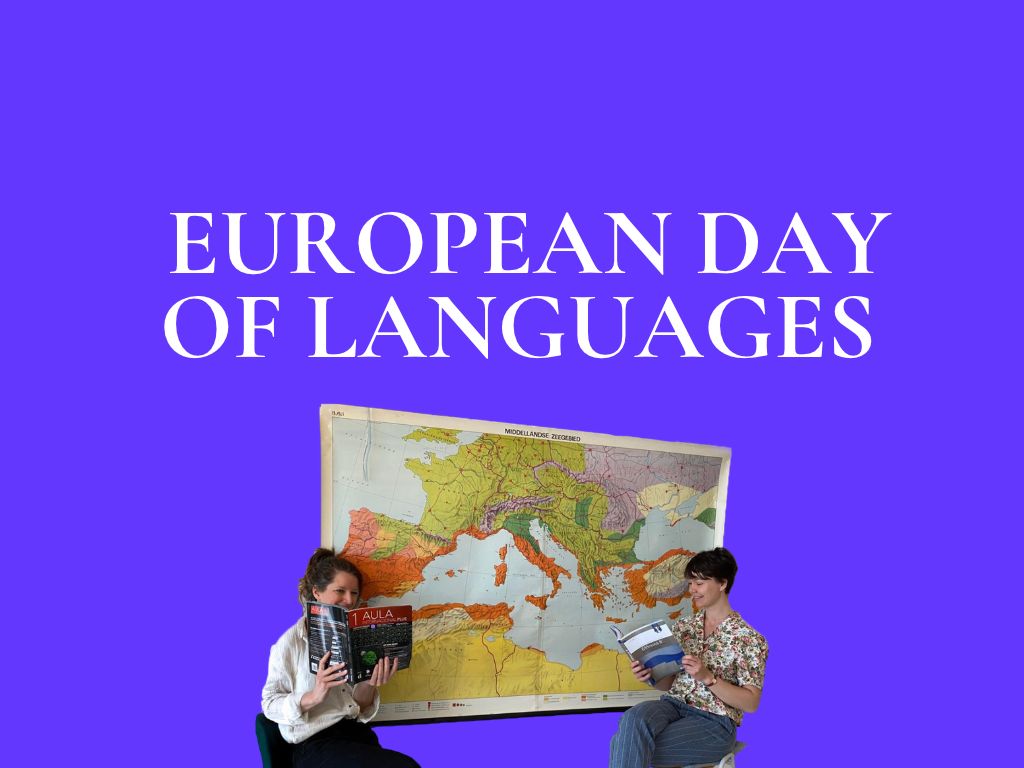
Every 26th of September since 2001, Europe has celebrated its rich linguistic diversity.
At Taalhuis Amsterdam, the House of Dutch and Mediterranean Languages, we celebrate language diversity every day with people who come to our school to learn 9 of the more than 200 languages that are spoken across Europe (though 24 are the ones recognised by the European Union).
Walking through our building, you will hear many languages spoken, and teachers and students switching from one language to another in a very fluent way.
On the occasion of this year’s European day for languages, we collected some short facts, including some linguistic connections between the languages we teach!
Did you know that…
– In FRENCH, there are 16 ways to write the sound “o”: au, aux, aud, auds, aut, auts, eau, eaux, o, ô, ods, op, ops, os, ot, ots.
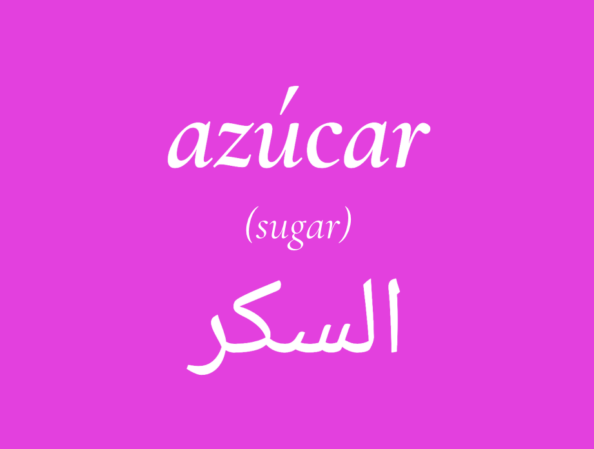
– The SPANISH word for sugar (azúcar) comes from the Arabic word “as-sukkar” (السكر).
– In the GREEK alphabet, the letters omicron and omega are ‘connected’: the first literally means “little o” (o mikron) and the latter refers to “great o” (o mega).
– Many languages have their fair share of untranslatable words, like the DUTCH ‘niksen’ (doing nothing at all) or the HEBREW ‘firgun’ (a genuine, heartfelt feeling of happiness or pride for someone else’s success).
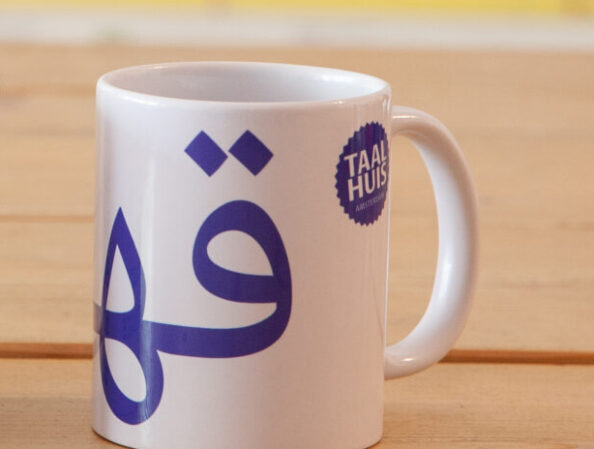
– The TURKISH word for coffee (kahve) and the ITALIAN word (caffè) are connected; both come through the Ottoman/Turkish kahve from Arabic qahwa.
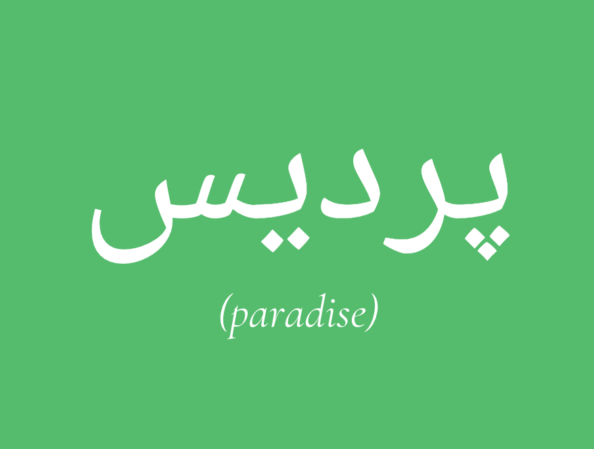
– The English word “paradise” ultimately traces back to Old Iranian/Persian pairidaeza, meaning something like “walled enclosure” or “garden.” Over time, the idea of a beautiful enclosed garden became associated with an ideal heavenly place.