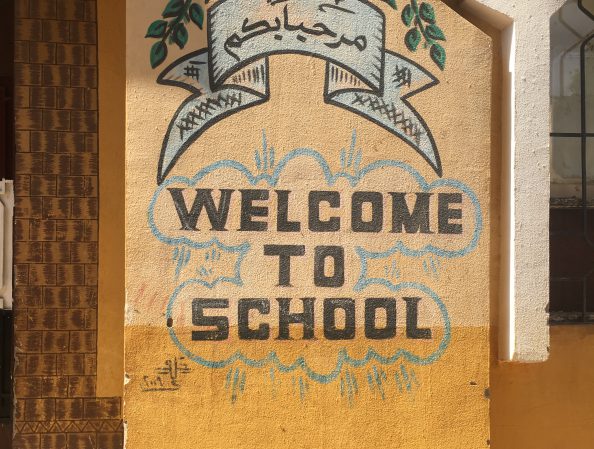
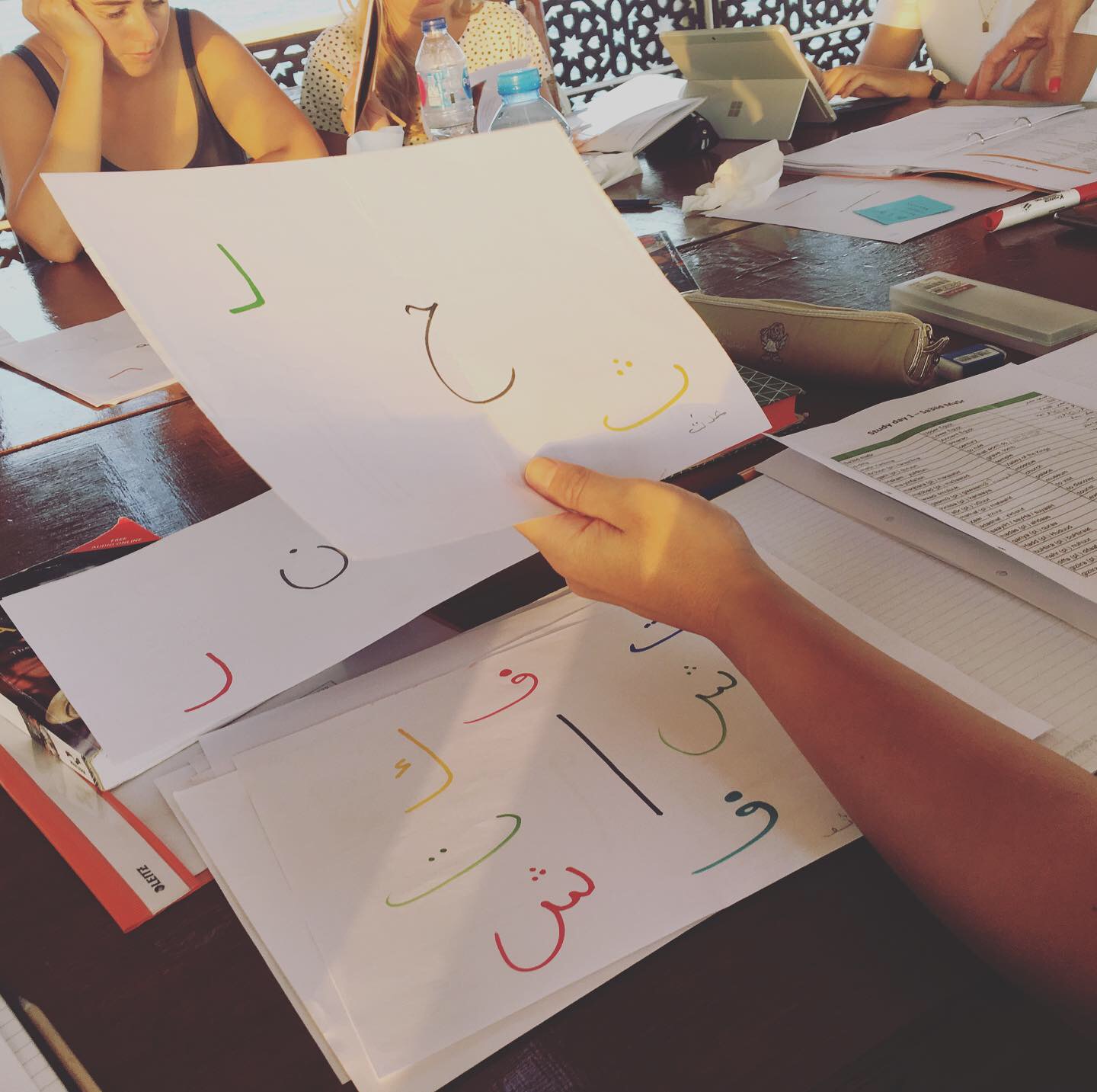
Our Arabic teacher Roel guides you through the labyrinth of Arabic dialects:
When we think about Arabic, we think about the language that is spoken in countries from Morocco to Oman and from Iraq to Sudan. The Arabic language must be very widely understood then, right? Well, on the one hand it is, but on the other hand it isn’t. The language can be divided between the written form that is called Modern Standard Arabic (MSA or in Arabic ‘Fusha’), and the spoken varieties (dialects or in Arabic ‘3amiyya’) that people speak with friends, family and colleagues.
The Modern Standard Arabic form is basically understood in written form in the entire Arab world. It’s used in books, media, and subtitles; usually anything that’s written down. It’s the language that is derived from Classical Arabic (the ancestor of the dialects as well). This Classical Arabic was renewed in the 19th century with the coming of many new ideas and concepts gradually evolved into MSA.
The dialects are different from one country to another, and are even different in various regions and cities. With the help of education in Modern Standard Arabic, most dialect speakers would know how to understand some other dialects as well. There are roughly four different varieties: North African Arabic (Maghribi), which is notorious for not pronouncing lot of vowels. There is Nile Arabic, with Egyptian Arabic (Masri) that counts for roughly one-third of the Arabic speaking population. Also, there is Levantine Arabic (Shaami), which includes Palestinian, Jordanian, Lebanese, Syrian and (some) Iraqi dialects. In Saudi Arabia and the Arabian Gulf people speak Gulf Arabic (khaleeji).
At Taalhuis we’ve been teaching Egyptian Arabic, Levantine Arabic and MSA.
Test yourself with Tamer Hosny – kull illahagaat and see if you can tell the difference in the dialects: https://www.youtube.com/watch?v=kiOwFGadDAc