
Session 1: Types of teachers and teaching methods, where do you stand? (Online session, length 3 hours)
3 observations in class focused on communication and interaction
Session 2: A global communicative approach in practice (Online session, length 3 hours)
3 observations in class focused on lessons structure
Session 3: Working models for lessons structure (Online session, length 3 hours)
3 observations in class focused on classroom management (online or offline)
Session 4: Classroom variables and how to manage a lesson (session on location, length 3 hours)
1 observation in class, focus defined by the observer
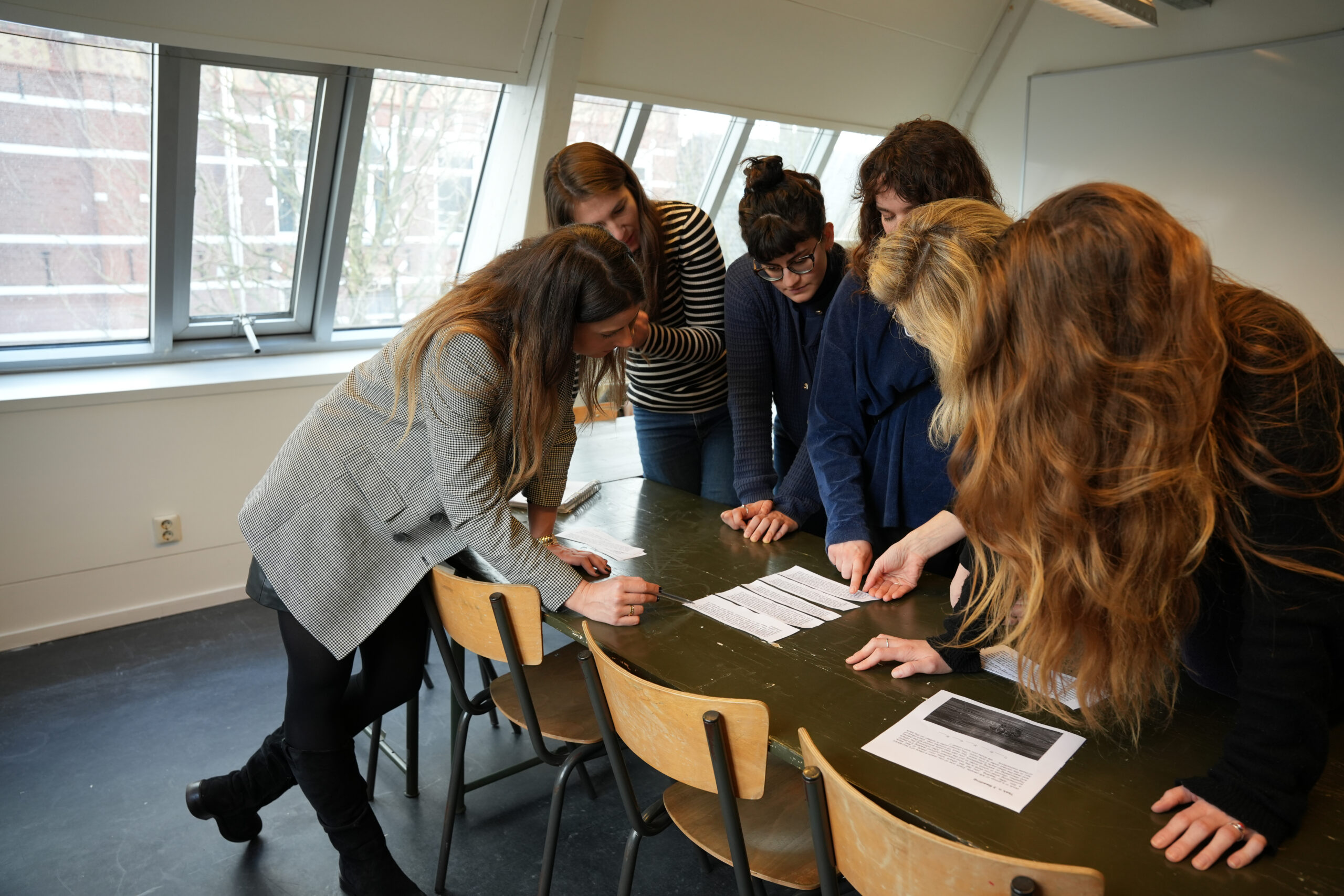
Session 5: Workshop with simulations and case solving (session on location, length 3 hours)
This session will focus on identifying clear goals in teaching and learning while considering how different approaches can be implemented to achieve those goals. Different profiles of teachers and different teaching methods (from Grammar translation to Direct method, from Audio-lingual to Suggestopedia, etc.) will be explored and discussed, in order to give teachers a clear overview of the possible references in their teaching practice.
This session will deepen the concept of communication in language learning and identify how the Communicative approach has evolved in the last decades to become a more global approach to teaching. We will focus on some key elements, including the focus on the learner, their skills or the dichotomy “fluency/accuracy” and Steven Krashen’s 5 second language acquisition hypothesis, and see how they can be of relevance in our lessons and teaching philosophy. We will also consider examples of task and project-based activities and the application of the collaborative approach in class.
This very technical session aims at providing teachers with clear examples of structured approaches or frameworks that they can use to plan and organize effective language lessons. Within the frame of the Communicative approach, many have proposed models that can be used in different contexts, kinds of classes, or with different purposes. From PPP to CLIL, ARC, ESA or TBL(T), what do these acronyms mean? What does the most common PPP structure include and what does it miss? When should you rather opt for a TBL or ESA structure? Are there specific models for different languages? We will discuss these options and discuss their roles within your lessons.
Preparing a lesson and implementing it requires a different approach, and you might have to face problems you hadn’t previously considered. This practical session will shine some light on the most common issues you can encounter in class, addressing the tools that you can utilize and guide your students in more effective ways. We will discuss time, space, resource and energy management skills to help you create the right conditions for effective learning and encourage your students to work in more focused ways.
The last session of this module is intended to serve as a very practical session during which teachers will work together to plan and simulate lessons in different languages. We will put in practice all the things we have learnt in the previous sessions and you’ll get a chance to implement some of the techniques you have seen during your observations. At the end each teacher will receive personal feedback and advice to make the most of this course and to keep developing their teaching skills.
For more information and registration, click here.