About Spoken Languages
Every language is a source of unique knowledge and cultural expression. In our lecture series ‘About Spoken Languages’ academics shine their light on fascinating languages. We proudly present the last lecture of this season and our first KETI-KOTI-lecture.
Sranan Tongo
Sranan Tongo is a creole language, a language that resulted from contact between enslaved African people who spoke their native language and English-speaking and later Dutch-speaking colonists. This new pidgin language developed into a stable creole when following generations grew up speaking the language.
The numerous Caribbean creole languages are only around four centuries old, which has given linguists the chance to study the development of those languages. Modern-day Sranan Tongo and other Maroon languages like Saramaccan and Aukan all developed during English colonisation (1650-1667).
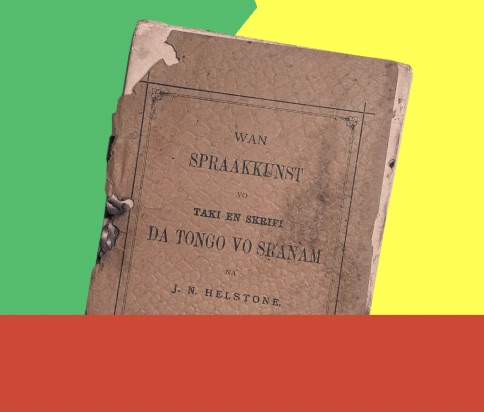
In 1903, Surinamese composer Johannes Nicolaas Helstone wrote the first grammar of Sranan Tongo in Sranan Tongo. This was in line with his aim to increase recognition of the recently liberated Surinamese people living in a society that was still strongly influenced by colonial structures.
Prof. dr. Abram de Swaan
Abram de Swaan (1942) is emeritus professor in social sciences. Between 1969 and 1991, he was an editor of cultural magazine De Gids. He was also co-founder, director and president of the Amsterdam Institute for Social Science Research at the University of Amsterdam. De Swaan has written weekly articles for the newspaper NRC Handelsblad, which have been published in three bundles. He was guest lecturer at various universities in the USA and in France. In 2008, he was awarded the PC Hooftprijs for his essays. His Words of the World is a pioneering book, that combines the insights of sociology, sociolinguistics and economics. His work has been translated into fourteen languages.
The moderator of this evening is Isabelle Best
Isabelle Best is conservator and researcher Surinamica at the Allard Pierson Museum. From an anticolonial perspective she works on the revision, contextualisation and extension of colonial and postcolonial collections.
Language of instruction: Dutch
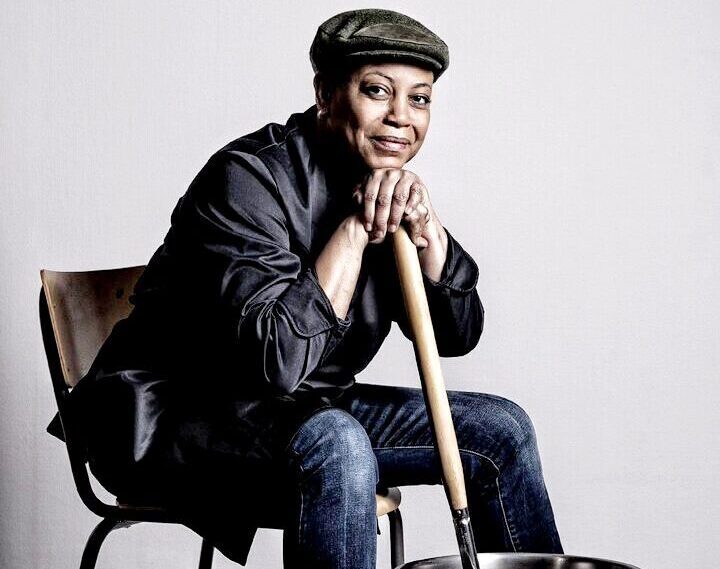
Before this lecture, at 18:00 o clock you can join Judith Cyrus for dinner!
Lecture: €18 | €6*
Dinner: €20 (book your seat at the table here)
Entry is not possible after the lecture has started.
*The student rate applies to students (and anyone else who needs a discount). Select ‘Invoice’ as the payment method and indicate in the ‘Additional remarks’ field that you would like to get a discounted ticket.